_edited.png)

Medieval Pranks vs. Modern Pranks: Why Humor Changes Over Time
- Nib
- Apr 1
- 4 min read
Updated: Aug 13
👨👩👧 MISSION INFORMATION (FO👨👩👧 MISSION INFORMATION (FOR GR GROWN-UPS)
🎯 RECOMMENDED: Age 8–12 years
⏱️ READING TIME: 4 minutes
🔬 STEM FOCUS: History • Psychology • Sociology
🧠 BRAIN SKILLS: Historical Thinking • Cause & Effect • Empathy • Critical Thinking
🎁 INCLUDES: Printable Case File
❓TODAY'S BIG QUESTION: Why weren’t medieval pranks funny the way they are today?

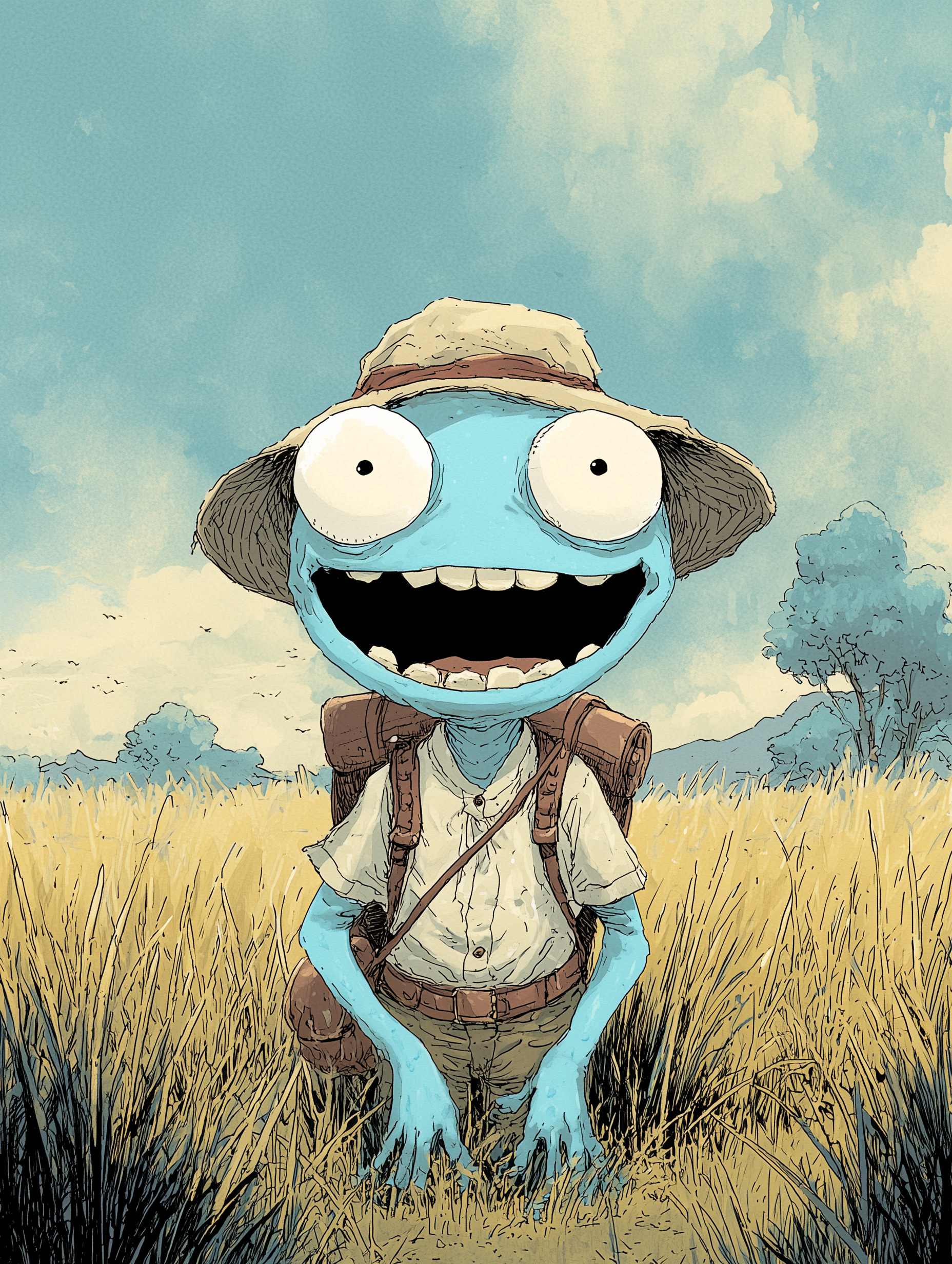
I thought I finally understood humans.
They love jumping out from behind doors.
They love fake spiders on pillows.
They even film themselves falling into fountains and then post it online.
So I, Nib, your alien reporter, decided to test a theory:
“If pranks are funny now, they must have always been funny… right?”
Spot, my robot field assistant and Chief Excitement Officer, bounced on his metal legs.
“Can we try it?”
“Can we dig it up?”
“Is it amazing?”
We set the time machine to “medieval village” and went to find out.

Nib and Spot’s Medieval Prank (That Did Not Go Well)
Our plan was simple.
Step 1: Sneak into the village at dawn.
Step 2: Hang a huge painted sign on the well that said:
“WARNING: WELL POSSESSED BY WATER GHOST. DO NOT DRINK.”
Step 3: Hide behind a cart and wait for humans to panic, then shout,
“Just kidding, it’s a prank!”
Spot was thrilled.
He polished his antennae.
He practiced his “surprise! you’re safe!” dance.

Then the first villager walked up.
They read the sign. Their face changed.
They didn’t laugh.
They ran to their neighbors.
Soon half the village was arguing:
• “What if it’s true?”
• “Who wrote this?”
• “If the well is cursed, what will we drink?”
No one was amused.
Everyone was scared and upset.
Spot’s eyes got even wider.
“Nib,” he whispered. “This prank is… not amazing.”
We quietly took down the sign before anyone saw us and retreated to a haystack.
Mission: failed.
Time for an Investigation.
Clue 1: In This World, Trust = Survival
First thing I noticed: this village runs on trust.
• People share tools.
• They trade food.
• They warn each other about storms, wolves, and fire.
If you lie about something serious—like the village’s main water source—you get:
• Neighbors who stop believing you.
• People who won’t help you next time you need it.
In a place where one bad season could mean hunger, being believed is life support.
Spot's mini note:
Prank cost = losing trust. Too expensive.
Clue 2: No Budget for “LOL”
Next, I checked their supplies.
Paper is rare.
Ink is hard to make. Yes, make.
Every tool took a lot of time and a lot of skill.
Our painted sign, which would be cheap and easy today, looked incredibly wasteful here.
Using good materials for a fake message would be like a modern human buying a super expensive gadget just to smash it for a 5‑second video.
Spot stared at the empty signboard and whispered,
“Maybe we should not waste ghost paint next time.”
In this world, there’s no separate “prank budget.” Everything matters.
Clue 3: Words Are Heavy, Not Light
Another big difference: most villagers can’t read.
The few who can read are:
• Priests
• Officials
• Record keepers
So if you see a written notice, you don’t think, “Ha, maybe that’s a joke.”
You think, “This must be important.”
Words here are used for:
• Land ownership
• Taxes
• Laws and serious warnings
A fake sign about a cursed well isn’t playful.
It feels like a real threat.
Spot underlined this in his notes:
“Modern prank = temporary embarrassment.
Medieval prank = possible disaster.”
Clue 4: Their Humor Is Different.
We watched the villagers in the evening.
They laughed at:
• Silly stories
• Clumsy characters
• Jokes about everyday problems
• Funny songs and wordplay
They did not spend months planning a giant hoax just to yell “Gotcha!”
Why?
Because:
• No cameras to replay the moment.
• No giant audience far away.
• No extra energy for tricks that risk trust and food.
They had humor—just not our prank style humor.
Spot looked at me.
“So… prank culture is not a forever thing. It’s a… new thing?”
Exactly.
When Being Fooled Turned Into Entertainment
Back in the present, I started a new file:
CASE: When Did Humans Invent Prank Culture?
I noticed something:
Pranks like we know them today grew when:
• More people could read – jokes and fake announcements could spread on paper.
• Paper and printing got cheaper – so it wasn’t a huge loss to use them for playful things.
• Everyday life got safer – being fooled usually meant embarrassment, not hunger or danger.
Once humans had:
• Extra free time
• Cheap tools
• Bigger audiences
they started treating being fooled as entertainment, not a threat.
That’s when April Fools’ jokes, newspaper hoaxes, hidden‑camera shows, and prank channels could really exist.
Spot summarized it like this:
“Old world: pranks are risky.
New world: pranks are content.”
Nib’s Final Note
Prank culture isn’t built into human DNA.
It’s built into human conditions:
• safer lives
• cheaper tools
• bigger audiences
• extra time for play
Medieval villagers didn’t “not get jokes.”
They lived in a system where lying for fun was too expensive.
So the next time you see a prank video online, imagine Spot and me trying it in a muddy village 700 years ago.
We learn—again—that to understand humans, you can’t just ask, “What do they do?”
You have to ask:
“What kind of world are they doing it in?”

National Geographic—How did April Fools' Day begin? Here's the History Behind Its Mysterious Origins
https://www.nationalgeographic.com/history/article/april-fools-day-origins
Live Science –What's the History of April nFools' Day?
https://www.livescience.com/33164-april-fools-day-history-origin.html
Infoplease—April Fools’ Day: Origin and History
https://www.infoplease.com/culture-entertainment/holidays/april-fools-day-origin-and-history
Britannica Kids—Parliament
https://kids.britannica.com/kids/article/middle-ages/353600

Comments