


Are Vampires Real? The Science Behind Vampire Myths (For Kids)
🛸 Mission Information (For Grown-Ups)
🎯 RECOMMENDED: Age 8+ years
⏱️ READING TIME: 5 minutes
🔬 STEM FOCUS: Epidemiology, the history of medicine, pattern recognition
🧠 BRAIN SKILLS: Evaluating evidence, separating correlation from cause, critical thinking
🎁 INCLUDES: Free Printable Worksheet

VAMPIRES AREN'T REAL... SO WHY DID EVERYONE BELIEVE IN THEM?
Greetings, Earthlings.
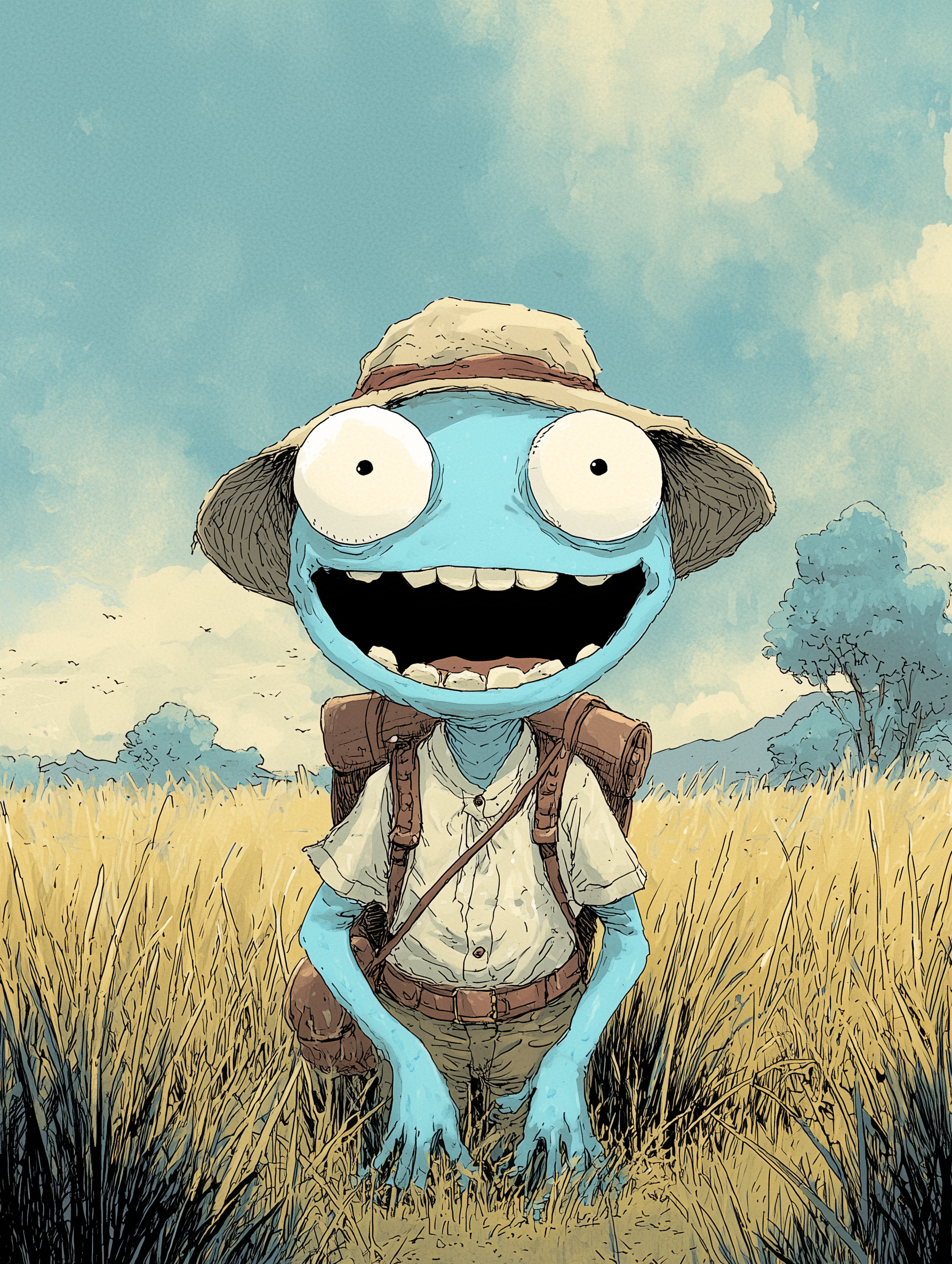
Nib here — Lead Field Analyst of the Nib Files, reporting from my research station, which is 100% not your attic. I don't know why you'd think that. Suspicious of you, honestly. 🤨
Today's file is a certified, five-star mystery. Across your planet, in countries that had never even met each other, humans kept describing the exact same creature: pale, drinks blood, hates sunlight, sleeps in a box like a goth sardine. They called it a vampire.🧛♂️
I ran my scanners. Results: zero vampires detected, now or ever.
And yet thousands of humans were absolutely convinced they were real.
As a scientist, this offends me personally. If there's no vampire... what in the galaxy were you all SEEING?!
I went digging through your history, and buckle in — the real answer is weirder than the myth. It's not one explanation. It's THREE! 🤯
Let's open the case files.
SUSPECT #1: THE WASTING DISEASE (TUBERCULOSIS)
In 1800s New England, a disease called tuberculosis — nicknamed "consumption," which is a dramatic name even for humans — swept through entire towns.
It made people pale, thin, and weaker every day, like something was quietly snacking on their life force. Since it spread within families, one sibling would die, and soon another would start getting sick too.
Naturally, the villagers' first instinct was NOT "maybe it's germs." It was: "the dead one must be sneaking out of the grave at night for a bite."
Some families actually dug up the bodies to check. And because of the cold winters, a few corpses were creepily well-preserved, which did not help calm anybody down.

Spot: "They dug up their RELATIVES?! Earthlings, your problem-solving needs serious work. Have you tried just... not doing that?"
The real villain was a bacterium so small you'd need a microscope to spot it giving everyone a dirty look.
Once scientists found it, vampires were officially cleared of all charges.
Antibiotics: 1.
Vampires: 0.
Not even close.
SUSPECT #2: THE BITING DISEASE (RABIES)
Rabies, a virus that spreads through bites — usually from animals — and somehow checks nearly every box on the vampire checklist: avoids light, avoids water, gets agitated, and develops an overwhelming urge to bite things. Honestly, rabies might be the most committed cosplayer in medical history.
In 1998, a neurologist named Dr. Juan Gómez-Alonso noticed that European "vampire sighting" outbreaks lined up almost perfectly with rabies outbreaks in wolves and dogs. Even the garlic thing checks out — rabies makes you hypersensitive to strong smells, and garlic smells like it's personally trying to fight you. People and animals growled and backes away from you when you had garlic.
Spot: "So vampires were just... sick puppies this whole time?? My threat-assessment circuits need a nap. I was NOT ready for that twist."
Bonus plot twist: vampire BATS were named after vampire legends — not the other way around. Humans were telling vampire stories for centuries before anyone in Europe had ever even met a blood-drinking bat. The bat didn't start the rumor. The bat just had terrible, terrible timing on its name.
SUSPECT #3: THE SUNLIGHT DISEASE (PORPHYRIA)
Our rarest suspect: a blood disorder called porphyria. One version, EPP, means sunlight literally blisters your skin on contact — like your body filed a formal complaint against the sun. People with it look pale, feel exhausted all the time, and historically, some tried drinking animal blood as treatment, since it had something their own blood was missing.
Pale. Can't handle sunlight. Drinks blood.
Yeah. I see how the neighbors jumped to conclusions. I probably would too, and I'm an alien who has literally met actual aliens.
SO WHO MADE UP ALL THE RULES?
Here's the twist, Agents: no single village sat down and invented "the vampire rulebook." The cape, the castle, the no-reflection-in-mirrors thing — all of it got stitched together slowly, from scattered folklore, by storytellers who really liked a good costume. In 1897, an author named Bram Stoker gathered up all these legends and bundled them into one character: Count Dracula. The book became so wildly popular that HIS version basically became THE official version.
Translation: most "vampire facts" you know aren't ancient wisdom. They're just really, really good marketing from 1897.
NIB'S CONCLUSION
Case closed. Vampires: never real. The fear: extremely real. The diseases behind it: also extremely real.
And here's the part I find genuinely wonderful — it wasn't wooden stakes or garlic necklaces that defeated the actual monsters. It was science. Microscopes. Vaccines. Humans asking "wait, what's actually happening here?" instead of just grabbing a shovel and heading to the graveyard.
And that, Agents, is the whole point of research. The universe is stuffed with mysteries. Some of them turn out to be monsters.
Most of them turn out to be science, patiently waiting for somebody curious enough to ask the right question.
Spot: "New mission just dropped. I'm checking the attic for Nib's 'totally real, not-an-attic research station.' FOR SCIENCE. Wish me luck."
FIELD CHALLENGE: BECOME A MYTH-BUSTER
Your mission, should you choose to accept it (you should, it's a good one):
1 Draw a vampire. Label each spooky trait — fangs, pale skin, fear of sunlight — with the real science explanation you just learned.
2 Invent your OWN monster. Give it three spooky traits, then write the real (or really convincing pretend) explanation behind each one.
3 Bonus: ask a grown-up if they ever believed something spooky that turned out to have a totally normal explanation. File their answer in the comments. Nib is very curious.


References & Learn More:
Smithsonian Magazine — “The Great New England Vampire Panic”
Gómez-Alonso, J. (1998) — “Rabies: A Possible Explanation for the Vampire Legend”
Published in Neurology, 51(3), 856–859.
Centers for Disease Control and Prevention — “Clinical Features of Rabies”
American Porphyria Foundation — “Erythropoietic Protoporphyria (EPP)”
Maranda et al. (2016) — “Porphyria and Vampirism—A Myth, Sensationalized”
https://jamanetwork.com/journals/jamadermatology/article-abstract/2547233?utm
Royal Ontario Museum — “The Versatile Vampire”


Comments